CHILLED FOOD
Four hours, then decide
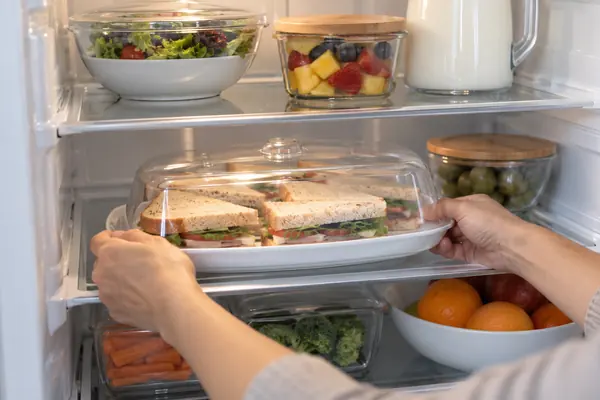
Food that needs chilling, such as sandwich fillings on a buffet, should be out of the fridge for no more than four hours. After that, put it back in the fridge or throw it away.
Check a dish doodlebash

WHAT THE GUIDANCE SAYS
A good bash leaves food out for hours.
Birthdays, street parties and family get-togethers all end with a table of platters that guests graze for the afternoon. Food Standards Agency guidance comes down to a few simple limits on time and temperature.
4 HOURS then fridge or bin
Check the tableTHE SHORT ANSWER
Bacteria grow fastest between 8 and 63°C.
The guidance is about keeping food out of that range.
CHILLED FOOD
Food that needs chilling, such as sandwich fillings on a buffet, should be out of the fridge for no more than four hours. After that, put it back in the fridge or throw it away.
Check a dishHOT FOOD
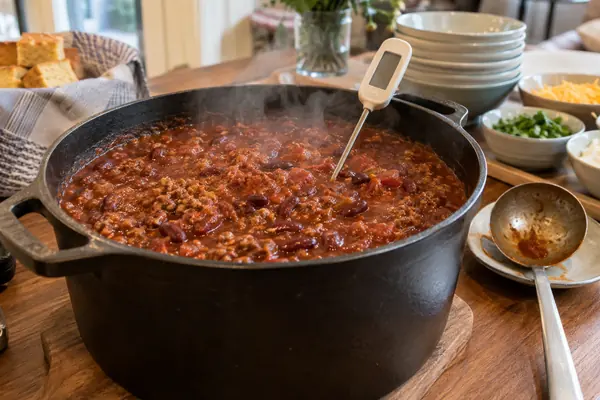
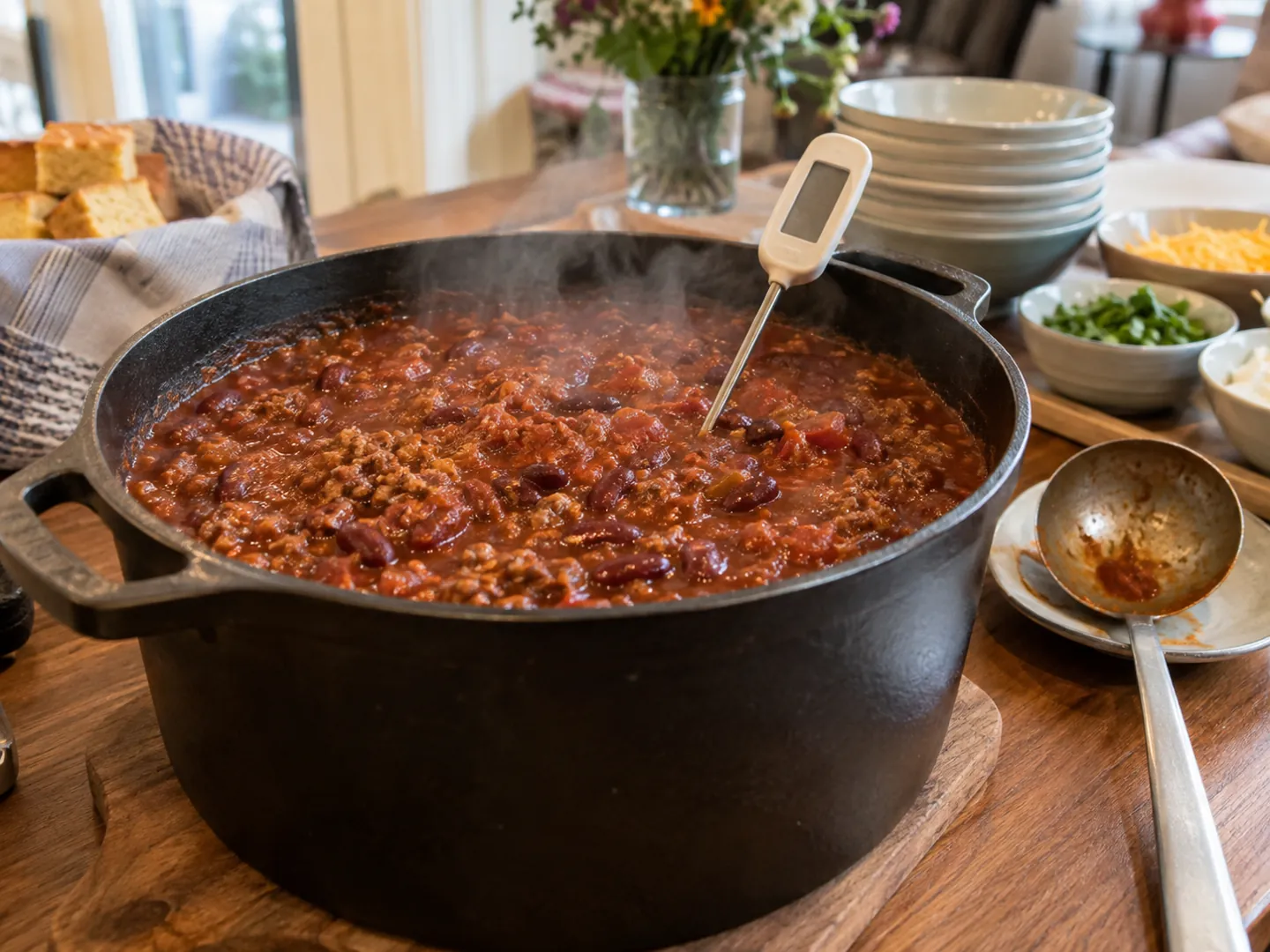
Cook food until it is steaming hot in the middle. The FSA says the centre should reach 70°C for 2 minutes, or an equivalent time and temperature.
See the numbersSERVING
US FDA advice is to serve small platters and replace nearly empty dishes with fresh ones, rather than topping up a dish that has been sitting out.
How to set it upGeneral information only, not medical advice. For advice about your own health, speak to a doctor, pharmacist or other qualified health professional.
FOUR HABITS FOR THE HOST
None of this needs special kit. It is mostly about timing: when food comes out, how long it stays out and what happens to the leftovers.
Chilled food has four hours out of the fridge, or two in very hot weather. A quick note on your phone makes the call easy.
Keep back-up platters in the fridge and swap them in, rather than adding fresh food to a dish that has been out.
Wash your hands often, keep raw meat away from ready-to-eat food and use tongs or a cake slice for serving.
Split leftovers into smaller containers and get them into the fridge within two hours, then eat them within 48 hours.
TWO NUMBERS WORTH KNOWING
One figure on how common it is,
one on the temperatures where bacteria thrive.
≈ 2.4m cases
Estimated foodborne illness each year
A Food Standards Agency review estimated around 2.4 million cases of foodborne illness a year in the UK, up from a 2009 estimate of 1 million, as reported by Food Safety News.
UK CASES · FSA 2020
8–63°C
Where bacteria may grow
The FSA calls 8 to 63°C the Danger Zone: between these temperatures bacteria may grow and make you ill. Cold food belongs below it and hot food above it.
THE DANGER ZONE · FSA
The same FSA review put norovirus top among known causes at an estimated 383,000 foodborne cases a year, followed by Campylobacter and then Clostridium perfringens at about 85,000.
A QUICK BUFFET CHECK
Pick a dish to see what the guidance says about how long it can stay out. The bar shows how closely you need to watch the clock.
Based on Food Standards Agency guidance for community events and home food safety. This is general information, not medical advice.
AFTER THE PARTY
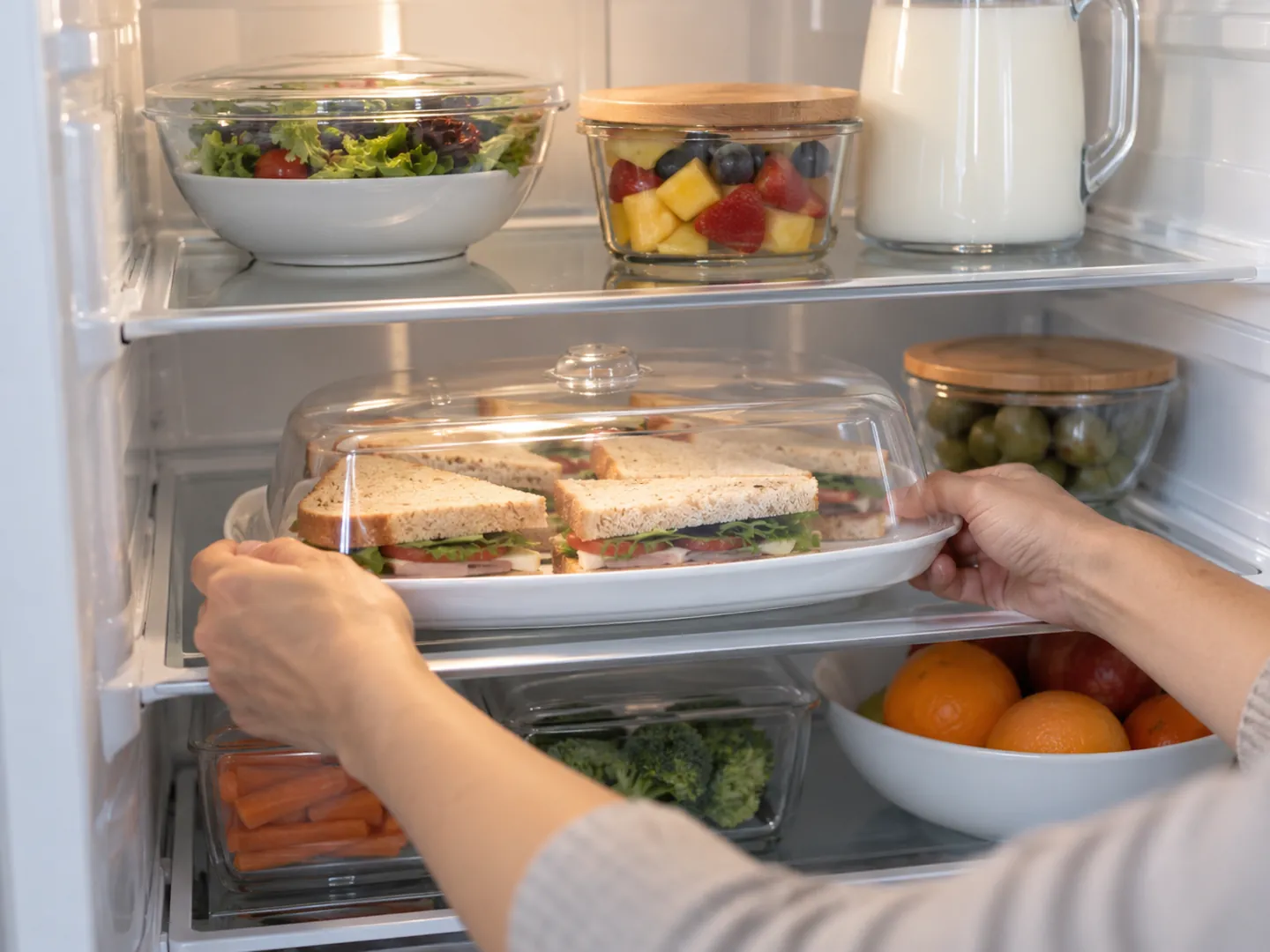
The FSA says cooked leftovers can be eaten cold if they were cooked properly, cooled and put in the fridge within two hours. Eat them within 48 hours or freeze them.
When reheating, heat food until it is steaming hot all the way through rather than just warm, and only reheat it once. Stir food in the microwave, which can leave cold pockets in the middle.
Questions
FSA guidance for events says chilled food such as sandwich fillings should be out of the fridge for no more than four hours. After that, put it back in the fridge or throw it away. In extremely hot weather, use it within two hours.
The US FDA tells people to discard perishables left at room temperature for more than two hours, or one hour above 90°F. UK FSA guidance uses four hours for chilled food at events, cut to two hours in extreme heat.
The FSA says you can return chilled food to the fridge within the time limit, but do not let it stand around at room temperature again when you serve it a second time.
The FSA lists raw milk, raw shellfish, soft cheeses, pâté, foods containing raw egg and cooked sliced meats as more likely to cause food poisoning. It also advises not to use raw eggs in anything that will not be thoroughly cooked.
If you are not a registered food business you are not legally required to, but the FSA encourages sharing allergen information. Keeping packaging or a note of each recipe helps guests with allergies check what they avoid.
Updated
ABOUT THIS NAME
doodlebash.com is part of the DoodleSale portfolio. It isn't in an auction right now, but you can ask about leasing it.